AN INDEPENDENT JOURNAL OF BIOHACKING
Understand
your biology.
Explore the science.
Understand the evidence.
128 editorial dossiers · 239 editorial source records · An expanding reference
Follow the research.
2,000 research questions, separate from the 128 editorial dossiers. Read the actual assessment scope and unresolved checks.
Browse 2,000 research questionsRecently reviewed & appraisal notesRecent appraisal activity
- Night-shift light schedules
RX0011 · 2026-11-10 · Bounded text appraisal; unresolved checks remain.
- Inspiratory muscle training transfer
RX0138 · 2026-11-10 · Bounded text appraisal; unresolved checks remain.
- Dynamic versus static weight-change models
RX0180 · 2026-11-10 · Bounded text appraisal; unresolved checks remain.
Focused research
- Wearable heart-rate accuracy
A bounded synthesis of wrist-worn optical heart rate versus ECG during aerobic exercise.
- E02 wearable benchmark
A reproducible simulation protocol and pilot; synthetic findings establish no biological effect.
01 / START EXPLORING
Knowledge for the curious.
THE FOUNDATIONS
The rhythm of being human.
Start with sleep, light, and the body's internal clock.
Explore circadian biology
PEPTIDES
From promise to evidence.
Mechanisms, clinical translation, and the questions that matter.
Read the research guide
VITAMINS & SUPPLEMENTS
Context before supplementation.
Explore nutritional needs, evidence, and the limits of more.
Open the vitamin guide
MEDICINES
A clinical lens on the claims.
Approved indications, off-label research, and safety context.
Explore medications02 / THE BODY ATLAS
A different way
to explore.
Follow a body system into the compound library. A dedicated 3D explorer connects visual discovery with the journal’s compound entries.
Explore the body atlasNavigation cues, not a diagnostic map or proof of benefit.
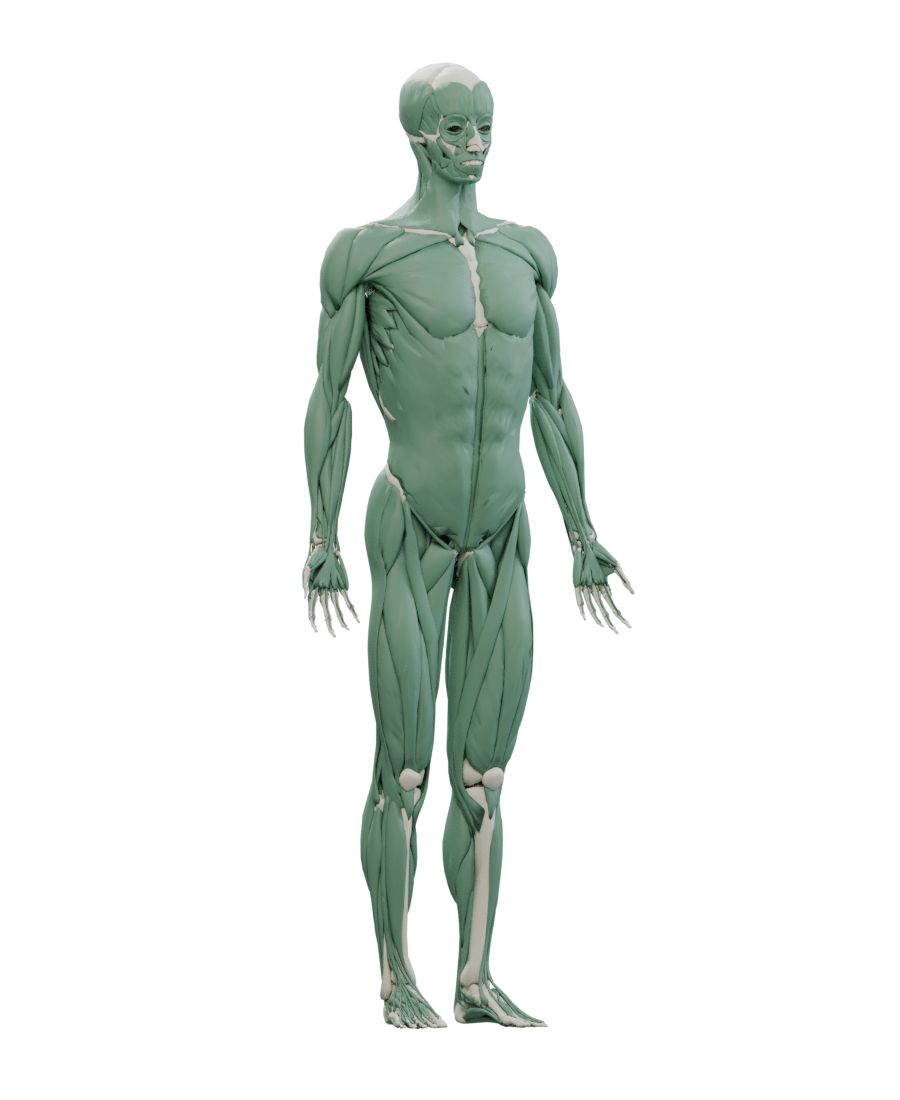
Watch a short atlas preview
A silent, 12-second preview of the same model used in the atlas. Choose a body system, follow the compound entries, and keep their limitations in view. Navigation cues are not a diagnostic map or proof of benefit.
03 / HOW TO READ THIS REFERENCE
Curiosity deserves context.
Clinical evidence, emerging hypotheses, and community experience are different kinds of information. We keep their sources and limitations visible.
Learn to read the evidenceSafety & editorial principlesExplore the expanded research catalog